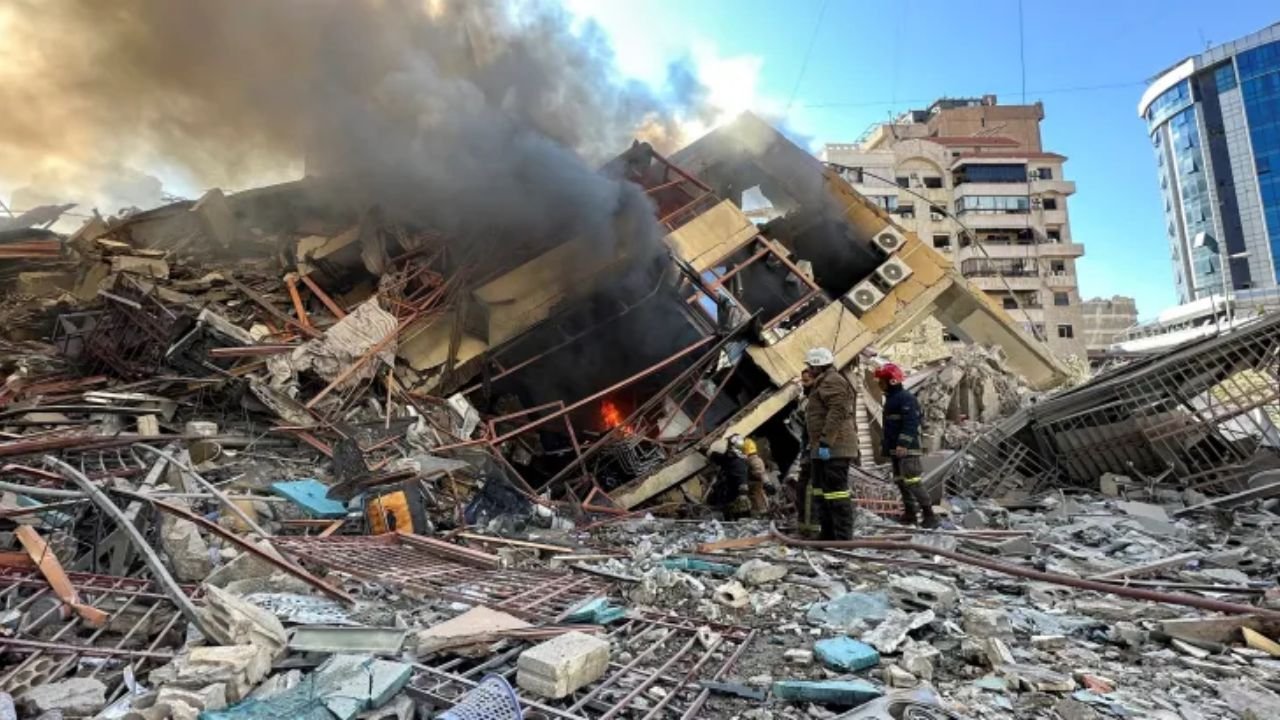
The Middle East is witnessing a sharp escalation in hostilities as Iran and Israel clash amid ongoing US involvement, creating widespread regional instability and global economic ripple effects. Recent missile and drone strikes have targeted major cities, oil infrastructure, and military sites, fueling concerns over energy supply, civilian safety, and international security.
Iran has framed its actions as defensive measures against what it calls “Operation Epic Mistake,” a campaign initiated by the US and Israel. Tehran has condemned civilian casualties, while emphasizing that its missile and drone strikes are precise retaliations, further complicating the already volatile geopolitical environment.
Surge in Military Activity

Multiple fronts across the region are witnessing heightened conflict:
| Location | Recent Activity | Key Details |
|---|---|---|
| Tehran, Iran | Explosions reported | Civilian infrastructure and military sites targeted by Israeli forces |
| Beirut, Lebanon | Israeli airstrikes | Southern suburbs hit; four Iranian diplomats killed according to Tehran |
| Southern Lebanon | Hezbollah rocket fire | Targeted Israeli military positions near Khiam and Ajal Hill |
| Gulf States | Missile interceptions | Bahrain and UAE air defenses successfully neutralized dozens of incoming missiles and drones |
| Strait of Hormuz | Tensions on shipping | Iran threatens US and allied naval vessels; global oil markets impacted |
The situation has triggered sirens and emergency protocols in Israel, Jordan, and Gulf countries, with residents advised to seek shelter amid missile and drone threats. Military officials report ongoing disruptions to early-warning systems and radar coverage, complicating defensive operations.
Regional and International Response
Regional diplomacy is attempting to contain the escalation. Egyptian officials have offered mediation to de-escalate tensions, while Pakistan is balancing communications between Iran and Saudi Arabia. Meanwhile, the UN Secretary-General has expressed deep concern, urging all parties to respect international law and avoid civilian harm.
The conflict has also strained global energy markets. The Strait of Hormuz, a critical shipping corridor for oil exports, remains tense, with threats of missile strikes and insurance hesitancy affecting tanker movement. Saudi Aramco and other energy stakeholders have warned that prolonged disruption could severely impact global oil and gas supply, with potential knock-on effects on inflation and industrial output.
Humanitarian Impact
Civilian casualties continue to mount. Iran reports over 1,300 deaths and nearly 10,000 civilian sites damaged, including homes, schools, and hospitals. The US Department of Defense confirmed that approximately 140 American personnel have been injured in ongoing operations, mostly minor injuries, with eight service members seriously affected.
The humanitarian situation is further complicated by accusations of targeting civilians and infrastructure. Iran and allied groups have condemned strikes in Beirut and other areas as violations of international law, intensifying calls for a ceasefire and urgent diplomatic intervention.
Implications for Global Stability

The intensifying conflict is sending shockwaves through international markets, particularly in the aviation and energy sectors. Rising oil prices, disrupted shipping routes, and uncertainty over regional security are likely to affect global supply chains and economic stability in the coming months.
| Sector | Immediate Impact | Potential Consequences |
|---|---|---|
| Energy | Oil prices surge | Supply shortages, inflationary pressures |
| Aviation | Higher fuel costs | Flight surcharges, reduced route availability |
| Regional Security | Heightened military alerts | Risk of broader regional escalation |
| Civilian Life | Displacement, casualties | Humanitarian crises, infrastructure loss |
Conclusion
The Iran-Israel-US conflict represents a critical flashpoint in Middle East geopolitics, with immediate consequences for energy, security, and civilian safety. As diplomatic efforts continue, the world watches closely, understanding that the stability of a key global region is now at stake. Maintaining international law, protecting civilians, and securing energy routes will be essential to preventing further escalation.