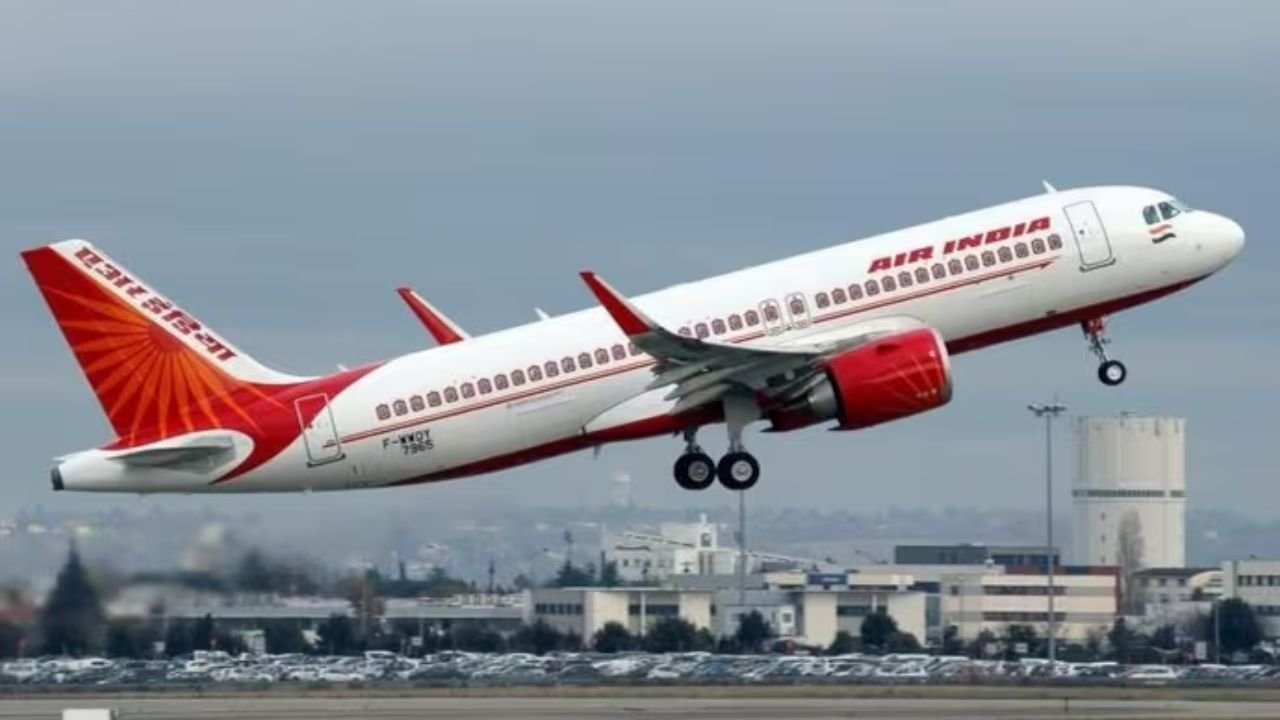
Air India has announced a phased increase in fares across domestic and international routes due to a sharp rise in aviation turbine fuel (ATF) prices, linked to ongoing supply disruptions in the Gulf region. The move affects both Air India and Air India Express flights, signaling a broader impact on travelers and airline operations.
The airline cited ATF price spikes since early March 2026 as the main driver behind the fuel surcharge. With jet fuel accounting for nearly 40% of operational costs, airlines remain highly sensitive to price fluctuations, especially in India, where excise duties and VAT further inflate fuel expenses.
Phased Fuel Surcharge Rollout

Air India is implementing the surcharge in multiple stages to manage the impact on passengers and maintain operational stability.
| Phase | Route Coverage | Surcharge Amount |
|---|---|---|
| Phase 1 | Domestic & SAARC countries* | ₹399 per ticket |
| Phase 2 | International – West Asia, South East Asia, Africa | $10, $20, $30 respectively |
| Phase 3 | Far East – Hong Kong, Japan, South Korea | To be announced |
*SAARC includes Afghanistan, Bangladesh, Bhutan, India, Maldives, Nepal, Pakistan, Sri Lanka
Phase 1 and 2 are already underway, while Phase 3 will be introduced later, depending on fuel price trends and geopolitical developments.
Why Airfares Are Rising

Air India emphasized that the fuel surcharge is necessary to offset soaring operational costs. Disruptions in Gulf oil supply due to regional conflicts have sent ATF prices upward, directly affecting airlines’ profitability.
Metro cities like Delhi and Mumbai face higher ATF-related taxes, compounding the cost burden. Without such surcharges, the airline warned, some flights might become financially unviable, potentially leading to cancellations.
The airline also noted that existing tickets remain unaffected unless passengers make itinerary changes that trigger fare recalculations.
Impact on Travelers

Passengers flying on affected routes can expect incremental increases based on destination and class. The surcharge, applied at ticket booking, ensures that airlines maintain service continuity while adapting to volatile fuel markets.
Air India Express, which currently does not levy fuel surcharges, will see the new charges applied under this announcement, aligning its operations with the parent airline’s cost-management strategy.
Navigating Volatility in Aviation Costs
The phased surcharge approach allows Air India to respond dynamically to changes in fuel prices and geopolitical events. By monitoring ATF costs regularly, the airline aims to adjust charges as necessary, balancing affordability for passengers with operational sustainability.
Travelers are advised to consider these surcharges when planning bookings, particularly for international and high-demand routes, as fuel-driven fare adjustments may continue until the supply situation stabilizes.
Conclusion
The fuel surcharge reflects broader challenges in the aviation sector, where global conflicts and supply disruptions can quickly translate into higher travel costs. For daily commuters and international travelers alike, understanding these surcharges is key to planning trips efficiently, while the airline maintains service continuity in a volatile fuel market.