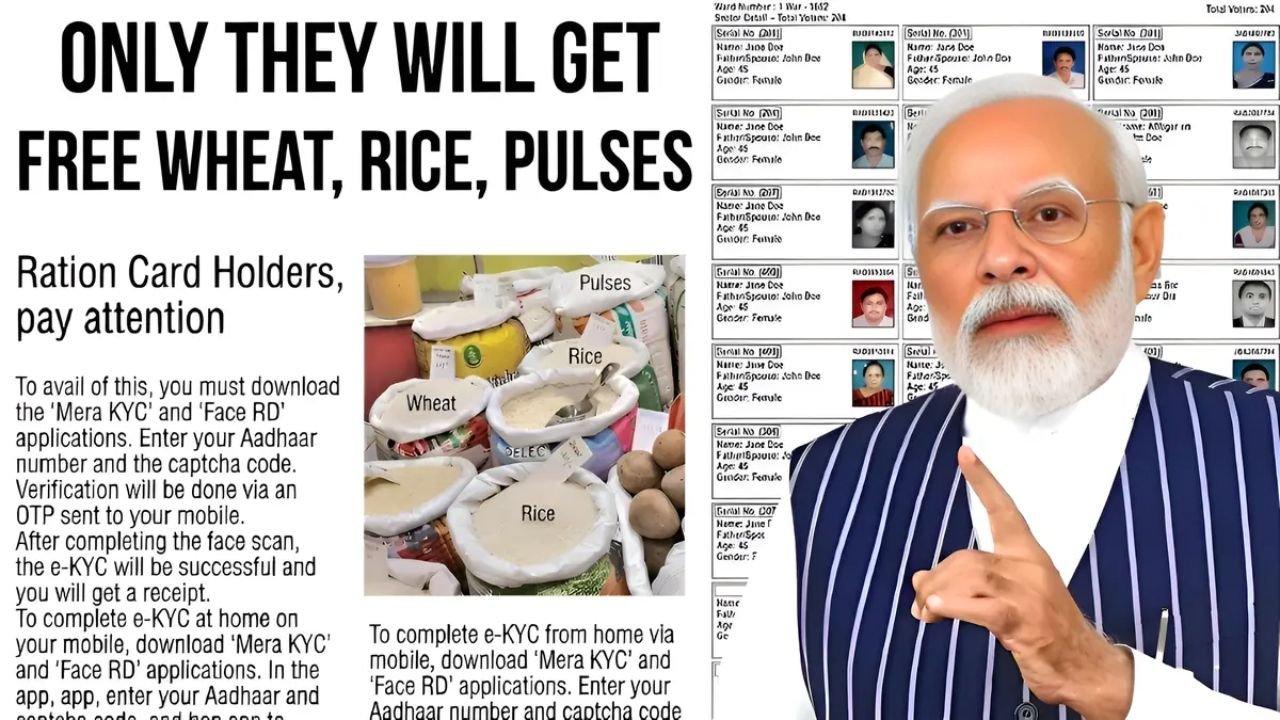
India’s welfare landscape is evolving in 2026, and ration card holders are set to gain from continued and expanded government support. Beyond the usual supply of subsidized food grains, new updates suggest families could also receive direct financial assistance and help with cooking fuel, reinforcing food security and easing household budgets.
For low-income and priority households, these measures come at a critical time. Rising living costs and inflation have made basic staples and LPG cylinders increasingly unaffordable. With the combination of free ration, cash transfers, and LPG support, eligible families could experience a significant reduction in daily financial stress.
Free Ration Supply Continues

Food security remains a cornerstone of India’s welfare programs. The Public Distribution System (PDS) ensures that eligible households receive essential staples such as rice and wheat at either highly subsidized rates or free of cost. In 2026, millions of families across both urban and rural areas will continue to benefit from this system, guaranteeing reliable access to basic nutrition despite fluctuating food prices.
Cash Assistance for Families
In addition to food support, a proposed ₹2,000 cash transfer aims to provide extra relief to families. The direct transfer is designed to cover essential expenses such as groceries, school supplies, and utility bills. Through the Direct Benefit Transfer (DBT) mechanism, the money is credited directly into beneficiaries’ bank accounts, ensuring timely delivery, transparency, and reduced administrative delays.
LPG Cylinder Support
Rising LPG prices have added to household expenses, particularly for families relying on cleaner cooking fuels. To counter this, welfare initiatives may provide benefits equivalent to two LPG cylinders for eligible ration card holders. This support not only reduces the cost of cooking fuel but also promotes safer, cleaner alternatives over firewood or coal, improving health outcomes and environmental impact.
Eligibility Criteria

Welfare benefits are primarily linked to eligibility based on income, ration card type, and economic category. Priority is given to economically weaker families and households facing severe financial constraints. To access these benefits, applicants must hold a valid ration card, with bank account details and identification linked to government records. Verification by local authorities ensures that benefits reach the right beneficiaries.
How Benefits Are Delivered
The PDS remains the primary channel for food distribution. Families collect their allocations from authorized ration shops, often using biometric verification for secure and accurate delivery. Cash transfers are handled digitally via the DBT system, while LPG support is typically administered through linked subsidies or welfare programs coordinated with gas distributors.
Combined Impact on Daily Life
Together, these measures provide a tangible improvement in household welfare. Free rations lower food expenses, direct cash support enhances purchasing power, and LPG assistance reduces cooking costs. For many families, this combined support translates into more financial flexibility, better nutrition, and improved quality of life.
Summary Table of Benefits
| Benefit Type | Description | Delivery Method | Target Group |
|---|---|---|---|
| Free Food Grains | Rice, wheat, and other staples at free/subsidized rates | Public Distribution System (PDS) | Eligible ration card holders |
| Cash Support ₹2,000 | Direct financial aid for household needs | Direct Benefit Transfer (DBT) | Economically weaker households |
| LPG Cylinder Support | Assistance equivalent to 2 LPG cylinders | Subsidy through gas distributors | Eligible ration card holders |
Final Take
Ration card holders in 2026 can expect a blend of traditional and enhanced welfare benefits. Free food grains, direct financial support, and LPG assistance together provide a safety net that addresses both nutrition and daily living costs. These measures reflect ongoing government efforts to safeguard vulnerable households and ensure sustainable support for families across India.